iThemba Lethu - A Profile
Anna Coutsoudis, HIVAN Associate and Associate Professor in the Department of Paediatrics and Child Health at the University of KwaZulu-Natal (Durban), founded and now directs the NGO, iThemba Lethu. iThemba Lethu is a loose isiZulu translation of "I have a destiny". iThemba Lethu seeks to help children and young people in Durban whose futures are being threatened by HIV/AIDS. Their vision is to see each of these children regain a meaningful destiny. To achieve their objectives, iThemba Lethu operates two programmes - a family re-integration programme and a HIV prevention programme.
 The Family Re-integration Programme: The Family Re-integration Programme:
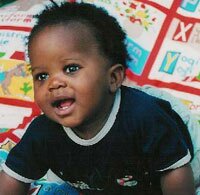
The family re-integration programme aims to place infants and young children, who are orphaned or abandoned as a result of HIV/AIDS, into permanent families. This is done by:
- Operating a transition home for babies orphaned or abandoned as a result of HIV
- Assisting in the screening and training of prospective parents
- Assisting in the placement of children (into and out of iThemba Lethu)
- Overseeing the running of a Breastmilk Bank. The Breastmilk Bank exists as part of iThemba Lethu's vision of providing quality nutrition and care and provides babies with the best nutrition possible, which is breastmilk rather than artificial milk feeds.
The home is small, family-like and takes up to six babies into care at a time. As a result of this, the home is able to give babies the individual love and attention that they need and deserve. At the same time, it doesn't restrict the number of babies helped, because babies are moving through the facility at regular intervals, thereby allowing space for more babies to be placed with the transition home.
iThemba Lethu has been operating for just over two years and in that time, 20 babies have been placed in their care - each of these infants arrived at the home in a state of deprivation; nutritionally, physically, and emotionally and with delayed developmental milestones. With the love and care they receive from the caregivers in the home and volunteers, these children have blossomed. Through the facilitation of iThemba Lethu, 13 of these babies have either been fostered or adopted, one HIV-infected child died before she was due to be adopted and six are currently in the home.
The HIV prevention programme:
The HIV prevention programme aims to set up a model programme for reducing HIV infection rates amongst young people by reducing young people's risk-taking behaviour. For young people to reduce their risky behaviour, they need to understand:
- Their value as human beings
- How to build good friendships and conduct relationships
- Their physical development, sexuality and HIV/AIDS
- The obstacles they will face in reaching their futures (internal pressures, peer pressures, violence and abuse over which they often have very little control)
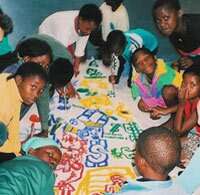
 iThemba Lethu has initiated this programme in two primary schools in Cato Manor since January 2002. The programme is already demonstrating positive results, and factors identified as contributing to this success are: iThemba Lethu has initiated this programme in two primary schools in Cato Manor since January 2002. The programme is already demonstrating positive results, and factors identified as contributing to this success are:
The Model:
The model is long-term and relational. iThemba Lethu is committed to one group of 300 children and their families for at least three years. A relational model, and not a didactic model of lesson-giving is used, as this seems to be better suited for children. Children also need time to relate to the teachers involved in lesson-giving, which is why a permanent office base exists in Cato Manor, where children can come and visit after school to chat or just 'hang out'. It is in these informal times where stories of abuse have come out.
Youth Workers:
A team of youth workers were selected based on their characters and lifestyles - people are chosen who are modeling the life taught to the children. These youth workers are young-at-heart and have experienced similar backgrounds and challenges as the children they are serving and yet, have learnt how to overcome the obstacles that were facing them.
Youth workers, apart from running sessions during the school day, also run weekly youth clubs in the afternoon and holiday clubs in the holidays. Twice a year, a group of approximately 60 leaders are selected and taken on leadership camps.
Parent Workers:
No matter how successful the interactions of the children with the staff of iThemba Lethu are, there are many areas of their lives they do not have control of because of family, school and environment. The organisation has two parent workers who try and strengthen relationships in family and work towards creating safe homes where children are supported in the behaviour changes they are seeking to make and where abuse does not occur. Schools can also, unfortunately, have a negative impact on the children's development, which is why a programme involving working with teachers is planned.
 Economic Development Co-ordinator: Economic Development Co-ordinator:
The Cato Manor area is poverty-ridden. Poverty is a huge factor which impacts on the ability of children to make behavioural changes. Thus, iThemba Lethu employed an Economic Development Co-ordinator, who works with the 300 families looking at ways of improving their income.
Teamwork and Support:
The staff of the youth programme support each other and are incredibly dedicated to a teamwork-based vision. Staff support is essential for the success of iThemba Lethu, especially in light of the difficult environment and often emotionally draining work. Staff support is provided through weekly staff debriefing sessions with a staff psychologist, as well as weekly prayer meetings.
In a recent set of focus group discussions, conducted by external fieldworkers, iThemba Lethu received very positive and useful feedback from all the children they are working with.
- "I'm happy, I feel like a real person. I wasn't aware that there was a person who loves another person. iThemba Lethu has always told us that they loved us but I couldn't believe them. Now I believe what they are saying."
- "They help us and console us if we have problems at home."
- "They are successful because they talk to our parents."
- "They are able to make young people communicate with older people."
- "They have been able to teach us and not shout at us."
For more information on iThemba Lethu, please click here
?
|